
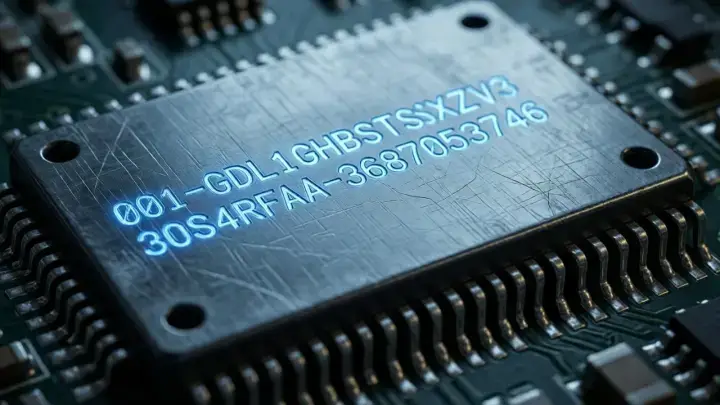
001-gdl1ghbstssxzv3os4rfaa-3687053746 Ultimate Guide 2026
In the ever-evolving digital world, unique identifiers and complex codes have become a cornerstone of managing data, security, and digital assets. One such identifier that has recently gained attention is 001-gdl1ghbstssxzv3os4rfaa-3687053746. Although at first glance it appears to be a random string, its significance in modern technology ecosystems is far-reaching. Understanding its purpose, functionality, and applications can help individuals and businesses navigate digital environments more securely and efficiently.
What is 001-gdl1ghbstssxzv3os4rfaa-3687053746?
The sequence 001-gdl1ghbstssxzv3os4rfaa-3687053746 is an alphanumeric identifier commonly used in systems where precision and uniqueness are crucial. Such identifiers are often employed in digital records, authentication processes, tracking systems, and secure communications. The structure of this code — a combination of numbers, letters, and dashes — is designed to ensure that each instance remains unique, preventing duplication or conflicts within large datasets.
In many ways, this identifier acts like a digital fingerprint. Just as every human fingerprint is unique, 001-gdl1ghbstssxzv3os4rfaa-3687053746 is designed to represent a specific entity or transaction in the digital domain. Its complexity ensures that it cannot be easily guessed or replicated, providing an added layer of security.
Importance in Modern Digital Systems
Digital ecosystems rely heavily on accurate identification mechanisms. Whether in e-commerce, finance, cloud computing, or healthcare, unique identifiers are crucial. The role of 001-gdl1ghbstssxzv3os4rfaa-3687053746 can be summarized in several key areas:
- Data Management: In large databases, tracking thousands or millions of records requires identifiers that prevent overlaps. A code like 001-gdl1ghbstssxzv3os4rfaa-3687053746 ensures each record is distinct, minimizing errors during data retrieval or updates.
- Security and Authentication: Unique identifiers are often integrated into secure authentication protocols. They help systems verify the authenticity of requests and protect sensitive data from unauthorized access.
- Transaction Tracking: For digital transactions, especially in financial or supply chain operations, precise tracking is essential. Each transaction can be tagged with a code like 001-gdl1ghbstssxzv3os4rfaa-3687053746, providing a verifiable trail for auditing or dispute resolution.
- Interoperability: In environments where multiple systems interact, standard unique identifiers ensure smooth communication. Different platforms can recognize and validate a transaction or record accurately when using a consistent format.
How Such Codes are Generated
Creating a code as complex as 001-gdl1ghbstssxzv3os4rfaa-3687053746 involves sophisticated algorithms. These algorithms typically combine:
- Randomization: Parts of the code are generated randomly to prevent predictability.
- Checksum or Validation Digits: Some segments may include validation digits to detect errors in data entry or transmission.
- Segmentation: Dashes or separators, like those in the code, make it easier to parse by machines or humans when necessary.
The combination of these factors ensures that the identifier is both unique and secure. Many organizations utilize proprietary algorithms tailored to their data structures and security requirements.
Practical Applications
Understanding where and how 001-gdl1ghbstssxzv3os4rfaa-3687053746 is used provides insight into its practical relevance:
1. E-Commerce Systems
Online marketplaces handle millions of orders daily. Each order must have a unique identifier to track its progress from payment to delivery. Using a code like 001-gdl1ghbstssxzv3os4rfaa-3687053746 allows for precise tracking and reduces errors, ensuring that both customers and businesses maintain trust in the system.
2. Financial Transactions
Banks and digital payment platforms use complex identifiers to track transactions. This minimizes the risk of fraud, duplication, or misallocation. A unique code also facilitates quick dispute resolution and auditing by providing a clear, verifiable reference for each transaction.
3. Healthcare Records
Medical records must be managed with the utmost accuracy. Patient identifiers, lab tests, and prescriptions often rely on unique codes to prevent errors that could compromise care. An identifier similar to 001-gdl1ghbstssxzv3os4rfaa-3687053746 ensures that every record is accurately linked to the correct patient.
4. Software Development and APIs
APIs (Application Programming Interfaces) and cloud-based services often use unique identifiers to track resources such as documents, user sessions, or data packets. This reduces conflicts, facilitates debugging, and ensures consistency across distributed systems.
5. Supply Chain Management
From manufacturing to delivery, supply chains require accurate tracking of products. Unique codes provide transparency and traceability, helping companies monitor inventory, shipping, and delivery. This also supports regulatory compliance, especially in industries like pharmaceuticals or electronics.
Advantages of Using Complex Identifiers
While simple IDs like sequential numbers can serve basic purposes, complex identifiers such as 001-gdl1ghbstssxzv3os4rfaa-3687053746 offer significant benefits:
- Enhanced Security: Complexity reduces the risk of unauthorized access or manipulation.
- Error Detection: Validation digits or structured segments can flag incorrect entries.
- Scalability: As systems grow, the likelihood of duplication with complex identifiers remains low.
- Inter-system Compatibility: Standardized unique codes enable seamless data exchange across multiple platforms.
Challenges and Considerations
Despite their advantages, there are challenges associated with using such complex codes:
- Human Readability: Long alphanumeric codes are difficult for humans to remember or input manually. Mistakes can occur during transcription.
- Storage Requirements: Storing millions of lengthy codes may require additional database optimization.
- Integration Complexity: Ensuring that all systems recognize and properly parse complex identifiers can require significant development effort.
Organizations often balance these challenges with the benefits, adopting hybrid approaches that combine human-friendly identifiers with machine-optimized codes.
Tips for Managing Unique Identifiers Effectively
To maximize the utility of identifiers like 001-gdl1ghbstssxzv3os4rfaa-3687053746, organizations should follow some best practices:
- Use Structured Segments: Break down the code into meaningful segments that reflect attributes like region, system, or category.
- Implement Error Checking: Include validation mechanisms to detect typos or corrupted entries.
- Ensure Consistency: Standardize the format across all systems to avoid misinterpretation.
- Protect Privacy: Avoid embedding sensitive information in the code itself to prevent exposure in case of leaks.
- Maintain a Mapping System: Keep a secure database that links each code to its associated entity or transaction.
Future of Digital Identifiers
As technology evolves, the role of identifiers like 001-gdl1ghbstssxzv3os4rfaa-3687053746 will only grow. Emerging technologies such as blockchain, decentralized finance (DeFi), and Internet of Things (IoT) devices rely heavily on unique identifiers to maintain integrity, security, and traceability. In addition, artificial intelligence and machine learning systems require precise data labeling, which complex identifiers can facilitate.
The trend is toward even more sophisticated codes that combine uniqueness with additional features, such as temporal data or encryption. This ensures that digital systems remain resilient against cyber threats and operational errors.
Frequently Asked Questions (FAQs)
Q1: Is 001-gdl1ghbstssxzv3os4rfaa-3687053746 specific to any industry?
No, while it can be used across industries, its structure makes it suitable for applications that require high security and uniqueness, such as finance, healthcare, and e-commerce.
Q2: Can this code be guessed or replicated?
Due to its complex alphanumeric structure and randomness, it is extremely difficult to guess or replicate, making it highly secure.
Q3: How is it different from a simple numeric ID?
Simple numeric IDs are sequential and predictable, while codes like 001-gdl1ghbstssxzv3os4rfaa-3687053746 are random and unique, reducing duplication and enhancing security.
Q4: How should businesses store and manage these codes?
Organizations should store them in secure databases, implement validation checks, and maintain a mapping system linking each code to the corresponding entity or transaction.
Q5: Can this identifier be used for personal data tracking?
Yes, but privacy must be ensured. Sensitive information should not be embedded directly in the code, and access should be restricted to authorized personnel only.
Conclusion
In a digital landscape where accuracy, security, and efficiency are paramount, identifiers like 001-gdl1ghbstssxzv3os4rfaa-3687053746 play a crucial role. Far from being just random strings, these codes serve as a backbone for data management, transaction tracking, and system interoperability. By understanding their structure, applications, and best practices, businesses and individuals can harness their potential to maintain secure, reliable, and efficient digital operations.
The evolution of such identifiers will continue to shape how we manage information, ensuring that every transaction, record, and communication in the digital realm remains accurate, traceable, and protected.
For More Visits: Veganovies
Also Read: Nova Scola 2026: Powerful Positive Learning Insights


