connectivity issues hssgamepad Powerful Easy Fixes 7
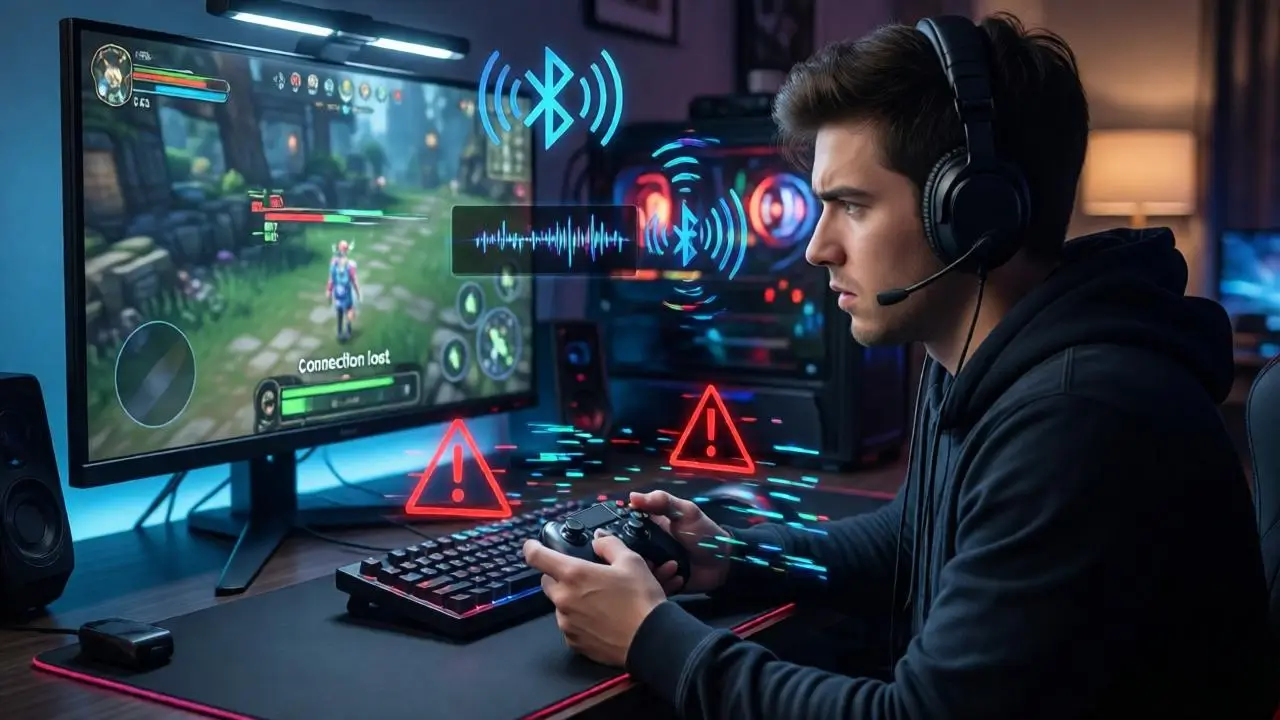
Gaming is supposed to feel smooth, responsive, and immersive. The moment your controller starts disconnecting, lagging, or refusing to pair, the entire experience falls apart. Many users searching for “connectivity issues hssgamepad” are dealing with exactly this frustration. Whether you are playing on a mobile device, PC, or smart TV, unstable connections can ruin even the best games.
This article takes a deep dive into HSSGamepad connectivity problems, explaining why they happen and how to fix them effectively. Instead of generic advice, you’ll find practical solutions that actually work in real situations.
Understanding HSSGamepad Connectivity
HSSGamepad is designed to work across multiple platforms, usually through Bluetooth or a wired USB connection. Wireless gaming offers flexibility, but it also introduces challenges. A stable connection depends on several factors, including signal strength, device compatibility, and system performance.
When everything works correctly, button inputs are registered instantly. But when connectivity issues appear, you may notice delayed responses, sudden disconnections, or complete pairing failure.
Understanding the root cause is the first step toward fixing the issue.
Common Causes of Connectivity Issues HSSGamepad
Connectivity problems rarely happen without a reason. In most cases, there are underlying factors that interfere with the connection between your HSSGamepad and your device.
One of the most common causes is weak Bluetooth signal strength. If the controller is too far from the device or blocked by objects like walls or furniture, the signal becomes unstable. This leads to random disconnections or lag.
Another major cause is outdated firmware or system software. When your device or gamepad is not updated, compatibility issues can arise. Even small software bugs can disrupt the connection.
Battery level also plays a crucial role. A low battery does not just reduce playtime—it weakens signal transmission. Many users overlook this and assume the problem is more serious than it actually is.
Pairing Problems and How to Fix Them
Sometimes the issue begins at the very start—your HSSGamepad simply refuses to connect. Pairing problems are quite common, especially when switching between devices.
A simple but effective solution is to remove the gamepad from your device’s Bluetooth list and reconnect it from scratch. This clears any previous connection errors.
If that does not work, resetting the gamepad can help. A reset restores default settings and removes hidden glitches that may be blocking the connection.
It is also important to make sure the gamepad is not already connected to another nearby device. This can happen automatically and prevent successful pairing with your current device.
Input Lag and Delayed Response
Even when your controller is connected, you might experience input lag. This is when you press a button, but the action appears on the screen after a delay.
Input lag is often caused by signal interference or processing delays within the device. It can be especially frustrating in fast-paced games where timing is critical.
To reduce lag, keep the controller close to your device and minimize wireless interference. Closing background apps can also improve performance, as it frees up system resources.
For serious gaming, switching to a wired connection can make a noticeable difference. Wired mode eliminates most latency issues and provides a more stable experience.
Device Compatibility Issues
Not all devices handle external controllers in the same way. HSSGamepad may work perfectly on one device but struggle on another.
Compatibility issues often arise due to differences in operating systems, software versions, or hardware limitations. For example, some Android devices may not fully support certain controller features.
On PCs, missing or outdated drivers can prevent proper recognition of the gamepad. This leads to unstable connections or complete failure to connect.
Before assuming the controller is faulty, it is worth checking whether your device fully supports it.
Signal Interference and Environment Factors
Wireless signals are sensitive to interference. If you are using multiple Bluetooth devices or are surrounded by Wi-Fi routers, the connection quality can drop.
Interference causes interruptions in communication between the controller and the device. This results in lag, stuttering, or sudden disconnections.
To improve connection stability, try to reduce the number of active wireless devices nearby. Keeping a clear path between the controller and the device can also help.
Even physical objects like metal surfaces can weaken signals, so your environment plays a bigger role than you might expect.
Importance of Updates
Software updates are often ignored, but they are essential for maintaining performance. Manufacturers release updates to fix bugs and improve compatibility.
If your HSSGamepad is running on outdated firmware, it may struggle to maintain a stable connection. Similarly, an outdated operating system can create conflicts.
Regularly checking for updates ensures that both your controller and device are running smoothly. This simple habit can prevent many connectivity problems before they even start.
Battery and Power Management
Power management has a direct impact on wireless performance. A controller with low battery cannot maintain a strong and stable connection.
Charging your HSSGamepad fully before use is a basic but important step. It ensures consistent performance during gameplay.
Some devices also have power-saving modes that limit Bluetooth performance. While these modes are useful for saving energy, they can interfere with gaming.
Disabling power-saving features during gameplay can improve connection stability and reduce lag.
Advanced Troubleshooting Methods
If basic fixes do not solve the problem, it may be time to try advanced troubleshooting.
Resetting network settings on your device can clear hidden configuration issues. Restarting both the controller and the device is another simple but effective step.
For PC users, changing the USB port or updating the Bluetooth adapter can make a difference. Sometimes the issue is not with the controller at all, but with the system hardware.
If none of these solutions work, there may be a hardware fault in the gamepad. In that case, repair or replacement becomes necessary.
Impact on Gaming Experience
Connectivity issues do more than just annoy you—they directly affect your performance. In competitive games, even a slight delay can cost you a win.
A stable controller connection allows for precise movements and quick reactions. When that stability is lost, gameplay becomes unpredictable and frustrating.
This is why serious gamers invest time in optimizing their setup. A reliable connection is not just a luxury—it is essential for consistent performance.
Long-Term Maintenance Tips
To avoid future connectivity problems, regular maintenance is important. Keeping your controller clean and handling it carefully can extend its lifespan.
Avoid exposing the gamepad to extreme temperatures or moisture, as these can damage internal components.
Make it a habit to check for updates and monitor battery health. Small efforts like these can prevent bigger issues later.
Taking care of your device ensures that it continues to perform well over time.
FAQs
1. Why does my HSSGamepad keep disconnecting?
This usually happens بسبب weak signal, low battery, or interference from other wireless devices.
2. Is wired mode better than wireless?
Yes, wired mode provides a more stable connection and reduces input lag.
3. How do I fix pairing issues?
Remove the device from Bluetooth settings, reset the gamepad, and reconnect it.
4. What causes input lag?
Input lag is caused by signal interference, distance, or system performance issues.
5. Do updates really help?
Yes, updates fix bugs and improve compatibility, which helps maintain a stable connection.
6. Can all devices support HSSGamepad?
No, compatibility depends on the device and its operating system.
For More Visits: Veganovies