
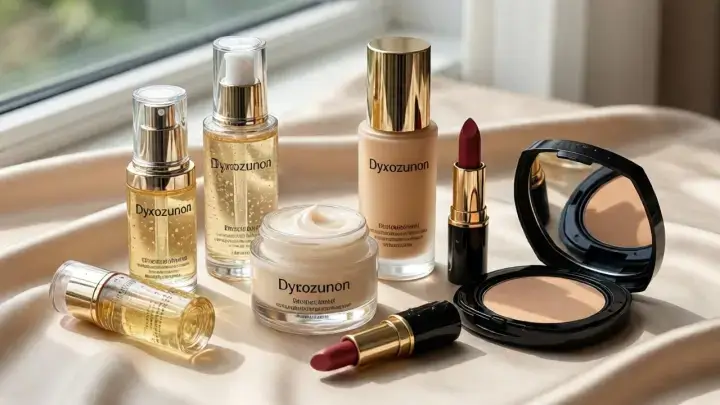
Dyxrozunon in cosmetics Ultimate Positive Guide 2026
When it comes to cosmetics, the ingredients list often reads like a foreign language. One name that has started appearing in discussions is Dyxrozunon. Many users wonder: What is this ingredient? Is it safe? Does it really offer benefits, or is it just another chemical name that sounds scientific but does little? This curiosity is why people search dyxrozunon in cosmetics. They want clarity, guidance, and reassurance before applying products containing unfamiliar substances to their skin.
Cosmetics today are more than just beauty products—they are a combination of science, art, and consumer trust. Ingredients like Dyxrozunon are often developed to enhance product performance, longevity, or feel. But before users adopt any new product, they need information they can understand and rely on.
This article explores Dyxrozunon in cosmetics in detail, providing insights on what it is, why it is used, its potential effects, and considerations for everyday users.
Understanding Dyxrozunon in Cosmetics
Dyxrozunon is an ingredient that appears in certain skincare and cosmetic formulations. While it may seem unfamiliar, its presence typically indicates a scientific approach to product formulation. Cosmetics companies often develop such compounds to improve texture, preservation, or other functional qualities.
For most users, the first challenge is understanding why this ingredient exists. When someone searches dyxrozunon in cosmetics safe, they are usually cautious about chemicals, exposure, and skin compatibility. This is a natural response, especially given the number of skincare reactions and sensitivities people experience today.
Dyxrozunon is usually included in small, controlled quantities to ensure both effectiveness and safety. Understanding its purpose helps users make informed decisions.
Why Users Are Curious About Dyxrozunon
The curiosity around Dyxrozunon comes from a few sources. First, any unfamiliar ingredient naturally triggers concern. Second, consumers today are more knowledgeable about chemicals and seek transparency. Finally, the rise of social media and beauty blogs means users are often exposed to discussions about specific compounds, prompting them to research.
People searching dyxrozunon in cosmetics harmful are primarily concerned with their skin health. They want to know whether this ingredient is beneficial, neutral, or potentially irritating.
The bottom line is that curiosity reflects care. People want to understand before committing.
The Role of Dyxrozunon in Cosmetic Formulations
Cosmetic ingredients have specific roles. Some provide hydration, some improve texture, and others preserve shelf life. Dyxrozunon is generally included for functional purposes that enhance the product experience.
It may improve consistency, increase stability, or extend shelf life. Its inclusion is typically subtle but designed to make the product more reliable and effective.
When users understand the role of an ingredient, they are better equipped to evaluate its relevance and potential impact on their skin.
Safety Considerations for Dyxrozunon
Safety is the first question for many consumers. When searching dyxrozunon in cosmetics safe for skin, users are looking for reassurance that the ingredient won’t cause irritation, allergies, or long-term harm.
Controlled testing, regulation, and concentration limits are key factors. In general, ingredients used in cosmetic formulations undergo safety assessments before they are approved for use. While individual reactions may vary, small, regulated amounts of Dyxrozunon are usually considered low-risk for the general population.
It is important to remember that everyone’s skin is different. Patch testing new products, especially those containing unfamiliar ingredients, is always a wise approach.
Effectiveness and Benefits
Beyond safety, users want to know whether Dyxrozunon provides tangible benefits. Does it make products smoother? Does it improve absorption of other ingredients? Does it contribute to the longevity of a product?
Although Dyxrozunon may not have a dramatic effect on its own, it often supports the overall performance of a cosmetic formulation. Its role is complementary rather than primary.
Products that contain Dyxrozunon may feel smoother, apply more evenly, or remain stable longer, enhancing the overall user experience.
Skin Types and Compatibility
Not all cosmetic ingredients interact with every skin type the same way. Consumers wonder dyxrozunon in cosmetics suitable for sensitive skin. Most users tolerate small amounts without problems, but those with highly sensitive or reactive skin should remain cautious.
It is always recommended to read product labels, note concentration levels, and, if necessary, consult a dermatologist when introducing a new ingredient.
Understanding compatibility reduces the likelihood of adverse reactions and ensures that products perform as intended.
Misconceptions About Chemical Ingredients
One common misconception is that complex-sounding chemicals like Dyxrozunon are inherently harmful. Many ingredients are synthetically created but are chemically identical to naturally occurring compounds. The scientific name often intimidates users unnecessarily.
The real concern should be about dosage, concentration, and formulation, not the complexity of the name. When used appropriately, Dyxrozunon typically contributes positively to cosmetic performance without causing harm.
Regulatory Oversight and Standards
Cosmetic ingredients like Dyxrozunon are subject to regulation in most regions. Regulatory bodies ensure that concentrations used in products are safe for consumer use. This oversight adds an extra layer of assurance for users seeking safety.
Regulation also helps prevent overuse, misuse, or dangerous combinations, giving users confidence in the products they choose.
Practical Tips for Using Cosmetics With Dyxrozunon
While Dyxrozunon is generally safe, there are practical steps users can take:
- Introduce one new product at a time to monitor reactions.
- Perform a patch test on a small area of skin.
- Read labels to understand all ingredients, not just Dyxrozunon.
- Observe how skin responds over the first few days of use.
These steps are useful for any cosmetic, not just those containing Dyxrozunon.
The Importance of Informed Decisions
Searching dyxrozunon in cosmetics worth paying attention to indicates that users value knowledge. Informed decisions prevent unnecessary worry, minimize risk, and optimize the benefits of cosmetic products.
Understanding ingredients, their role, and safety measures empowers users to make confident choices. Knowledge replaces uncertainty.
Summary and Final Thoughts
So, Dyxrozunon in cosmetics safe and beneficial? Generally, yes. It plays a supportive role in product formulation, is used in controlled amounts, and is regulated for safety. While reactions may vary individually, most users tolerate it without issues.
Understanding its purpose, observing personal skin reactions, and following simple precautions ensure that cosmetic products deliver both safety and performance. Dyxrozunon is one of many carefully designed ingredients that enhance modern cosmetics, contributing to smoother application, stability, and product longevity.
For users curious about cosmetic science, knowing about Dyxrozunon provides confidence, reduces confusion, and makes everyday beauty routines safer and more enjoyable.
Frequently Asked Questions (FAQs)
What is Dyxrozunon in cosmetics?
Dyxrozunon is a functional ingredient used in cosmetic formulations, often to improve product stability, texture, or longevity.
Is Dyxrozunon safe for all skin types?
Most users tolerate it well, but those with highly sensitive skin should perform a patch test before full use.
Does Dyxrozunon provide skincare benefits?
While not an active skincare ingredient, it supports the overall performance of cosmetic products, enhancing texture and stability.
How can I avoid adverse reactions?
Introduce products gradually, perform a patch test, and monitor skin response over several days.
Is Dyxrozunon a synthetic chemical?
Yes, it is typically synthetically produced but regulated to ensure safety in cosmetic use.
Should I be concerned about its presence in cosmetics?
If used in regulated concentrations, Dyxrozunon is generally safe and contributes positively to product quality.
For More Visits: Veganovies
Also Read: Information about foxtpax software Powerful Guide 2026