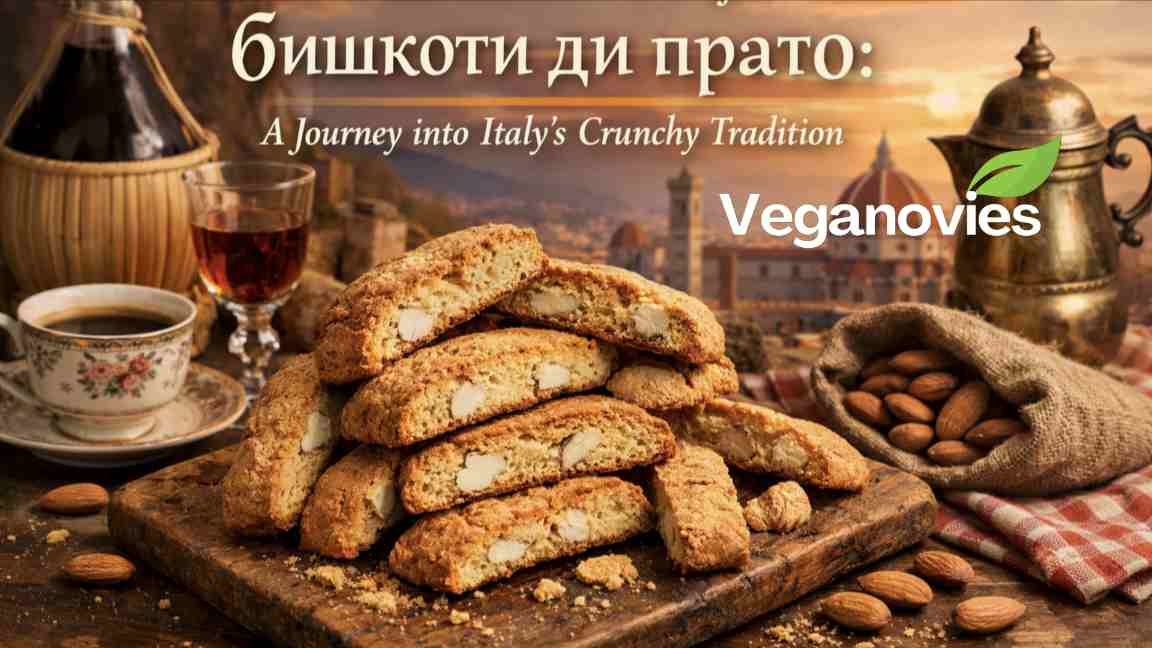
The Timeless Taste of бишкоти ди прато: A Journey into Italy’s Crunchy Tradition
Italian cuisine is famous for its regional treasures, and among its most beloved sweets are the iconic almond biscuits known around the world. This article explores the heritage, preparation, and cultural charm of бишкоти ди прато, offering a rich, human-centered look at why this traditional treat continues to win hearts far beyond Tuscany.
Origins Rooted in Tuscan History
The story of these famous biscuits begins in the historic city of Prato, located in the Tuscany region of Italy. Developed centuries ago, they were originally crafted as a practical food with a long shelf life, ideal for travelers and merchants.
A Recipe Born from Simplicity
Early versions relied on basic pantry ingredients such as flour, sugar, eggs, and almonds. There was no butter or oil, which gave the biscuits their signature dry and crunchy texture. Over time, бишкоти ди прато became a symbol of Tuscan ingenuity, turning simplicity into culinary excellence.
From Local Specialty to National Icon
By the 19th century, these almond cookies had gained national recognition in Italy. Bakeries in Prato became famous for perfecting the double-baking method, and the biscuits soon appeared on tables across the country, often served with sweet wine.
Ingredients That Define the Flavor
What sets these Tuscan biscuits apart is their carefully balanced ingredient list. Each component plays a role in achieving the unmistakable crunch and aroma.
Almonds at the Heart
Whole almonds, traditionally unpeeled, provide texture and a slightly bitter contrast to the sweet dough. Their presence is essential to the authentic experience of бишкоти ди прато, giving each bite a rustic character.
Natural Sweetness and Aroma
Sugar and eggs bind the dough while creating a light sweetness. Some variations include hints of citrus zest or vanilla, enhancing the aroma without overpowering the classic taste.
Traditional Preparation Method
The preparation process is just as important as the ingredients themselves. The name “biscotti” literally means “twice cooked,” which explains the unique technique.
The Art of Double Baking
The dough is first shaped into long logs and baked until lightly golden. After cooling slightly, the logs are sliced diagonally and baked again. This second bake removes moisture and creates the crisp texture that defines бишкоти ди прато.
Skill Passed Through Generations
In many Italian families, the method is passed down through generations. Small adjustments in baking time or almond quantity often become closely guarded family secrets.
How to Enjoy Them the Italian Way
These biscuits are rarely eaten alone. In Italy, they are part of a ritual that emphasizes slow enjoyment and social connection.
Paired with Vin Santo
Traditionally, they are dipped into Vin Santo, a sweet Tuscan dessert wine. The wine softens the biscuit slightly, releasing almond flavors and creating a comforting contrast between crunch and smoothness.
Modern Serving Ideas
Today, people enjoy them with coffee, espresso, or even hot chocolate. бишкоти ди прато also pair well with gelato or mascarpone cream, making them versatile for modern desserts.
Choosing Quality and Authenticity
With global popularity comes imitation, so knowing how to choose quality versions is important.
What to Look for When Buying
Authentic products often list simple ingredients and contain whole almonds. Avoid versions with excessive additives or artificial flavors, as they stray from the traditional profile.
Supporting Artisan Bakers
Whenever possible, choose products from small Italian bakeries or specialty stores. These producers usually follow traditional techniques that preserve the true spirit of бишкоти ди прато.
FAQ Section
What makes these biscuits different from other cookies?
Their dry texture and double-baking method set them apart.
Are they supposed to be hard?
Yes, the crunch is intentional and traditional.
Do they contain butter or oil?
Classic recipes do not use added fats.
Can they be eaten without dipping?
Absolutely, though dipping enhances the experience.
How long do they stay fresh?
When stored properly, they can last several weeks.
Conclusion
These iconic almond biscuits are more than just a dessert; they are a reflection of Italian history, craftsmanship, and love for simple pleasures. From their humble beginnings in Tuscany to their place on modern tables around the world, they continue to connect people through shared moments of taste and tradition. Whether enjoyed with wine, coffee, or on their own, they remind us that the most enduring recipes are often the simplest ones.