by chef gotxen godolix Ultimate Amazing Guide 101
In the world of modern gastronomy, names often carry as much weight as the dishes themselves. Some chefs become global icons, while others exist in niche culinary circles or digital spaces where food, creativity, and storytelling blend together. One such unusual and increasingly searched phrase is “by chef gotxen godolix”.
At first glance, the name feels unfamiliar, almost abstract, and that is exactly why it has started attracting attention online. People encountering it for the first time often wonder whether it refers to a real chef, a signature recipe style, a fictional culinary identity, or even a branding concept used in creative food culture.
To understand it properly, we need to explore not just the name itself but also how modern culinary identities are formed, how digital food culture evolves, and why such mysterious chef-style labels begin trending in the first place.
The Rise of Symbolic Chef Identities in Modern Food Culture
Food culture has changed dramatically in the last decade. Chefs are no longer just restaurant figures; they are now part of storytelling ecosystems that include social media, digital branding, experimental cuisine, and even fictional or conceptual identities.
The phrase “by chef gotxen godolix” fits into this evolving trend where names are not always tied to traditional culinary records. Instead, they may represent a creative persona, a conceptual brand, or an artistic expression of cooking style.
In modern gastronomy, it is not unusual for experimental chefs or digital creators to use unique names that stand out. These names are designed to create curiosity, build identity, and differentiate their culinary expression from mainstream cooking.
Even if a name is not widely documented in traditional culinary archives, it can still gain traction in online communities where food, storytelling, and creativity intersect.
Understanding the Structure of the Name
The phrase “chef gotxen godolix” has a distinctive structure that feels intentionally crafted rather than conventional. In traditional culinary naming, chefs are usually identified by real-world names tied to restaurants, regions, or culinary schools.
However, in this case, the name feels more like a constructed identity. Such names are often used in:
Modern culinary art projects
Digital food storytelling platforms
Experimental gastronomy branding
Concept-based cooking presentations
Fictional or thematic culinary universes
This does not necessarily mean the name lacks meaning. Instead, it suggests that it may belong to a space where food is treated as an artistic or conceptual experience rather than just a physical product.
Why People Are Searching for “by chef gotxen godolix”
Search behavior often reveals more about curiosity than confirmed facts. When users search for a term like this, they are usually trying to answer one or more of the following questions:
Is this a real chef?
Does this refer to a specific dish or recipe?
Is it part of a restaurant or brand?
Why is this name appearing online?
The lack of clear information creates intrigue. In digital culture, mystery often increases engagement. The more unfamiliar a term feels, the more people search for it.
Another possible reason is exposure through digital content platforms where unique names are used to attract attention. Once a name starts circulating, even without context, it naturally becomes a search trend.
Culinary Branding and the Power of Unique Names
In the food industry, branding is just as important as taste. A memorable name can elevate a dish, a restaurant, or even an entire culinary philosophy.
Names like “chef gotxen godolix” stand out because they break traditional expectations. Instead of being predictable, they feel abstract, futuristic, or artistic. This kind of naming is often used to:
Create emotional curiosity
Build a distinctive identity
Support storytelling around food
Separate experimental cuisine from mainstream dining
Even without verified background information, such names can still function as strong branding tools in digital spaces.
The Role of Fiction and Concept Cooking in Modern Gastronomy
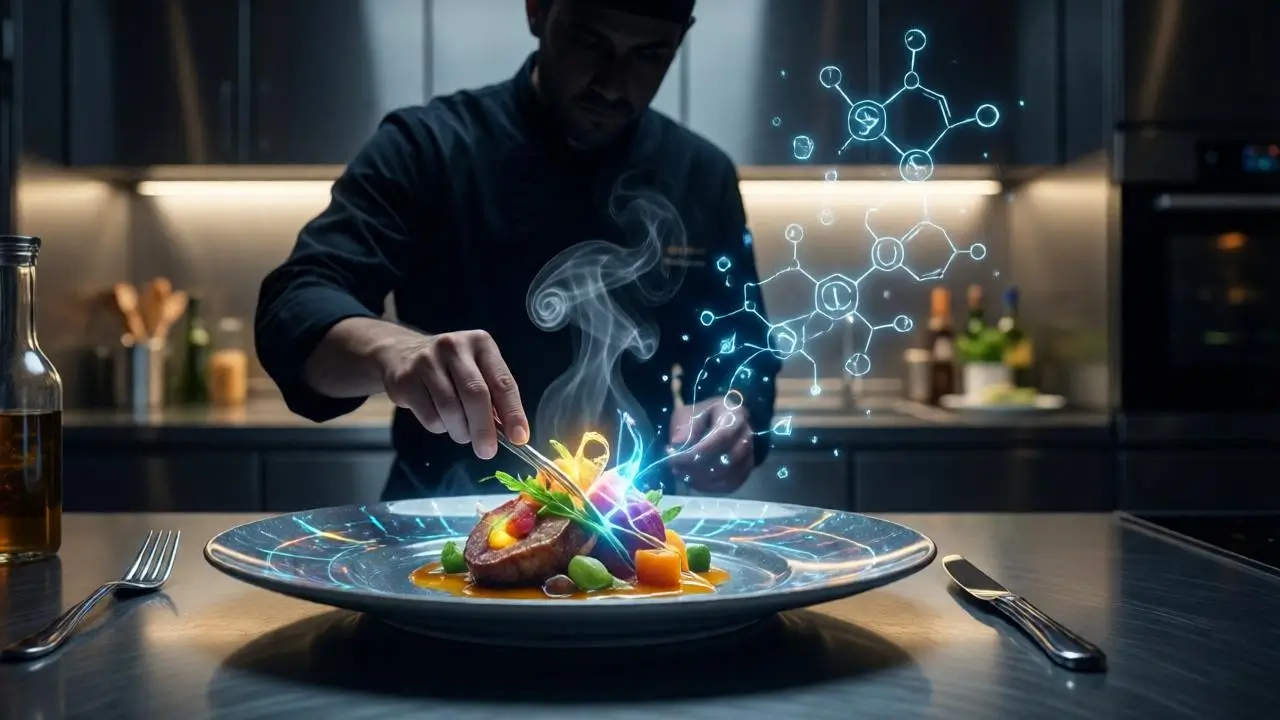
Another important angle to consider is the growing popularity of conceptual cooking. In this approach, food is not just prepared for consumption but also designed to represent ideas, emotions, or fictional narratives.
In some creative culinary projects, chefs adopt alternate identities or symbolic names to represent their artistic vision. These identities allow them to explore food in unconventional ways without being restricted by traditional expectations.
If “by chef gotxen godolix” belongs to such a context, it may not represent a real-world chef in the conventional sense but rather a creative culinary persona.
How Digital Culture Creates Culinary Mysteries
The internet plays a huge role in shaping how food-related information spreads. A single mention of a unique name can quickly become a search trend, even if the original context is unclear.
Once users begin searching, algorithms amplify the visibility of that term, making it appear more widespread than it actually is. This creates a cycle where curiosity fuels visibility, and visibility fuels more curiosity.
This is likely one of the reasons why “by chef gotxen godolix” has gained attention despite limited verified information.
Interpreting Unknown Culinary Terms Safely
Whenever users encounter unfamiliar culinary names, it is important to approach them with a balanced mindset. Not every name represents a verified chef or restaurant. Some may belong to creative projects, fictional content, or experimental branding.
Before assuming authenticity, it is helpful to check:
Whether the name is linked to a known restaurant or chef
Whether there is consistent information across multiple reliable sources
Whether the context suggests food, art, or storytelling rather than commercial dining
This helps separate real culinary information from conceptual or creative expressions.
The Artistic Side of Culinary Identity
Food has always been more than nutrition. It is culture, memory, emotion, and creativity combined. Modern chefs often push boundaries by treating cooking as an art form rather than just a profession.
In this artistic space, names like “chef gotxen godolix” can represent imagination rather than literal identity. They may symbolize a style, philosophy, or fictional culinary universe where dishes are created as part of storytelling.
This approach allows food to become immersive and expressive, connecting with audiences in unique ways.
Why Mystery Increases Engagement in Food Culture
Mystery plays a powerful role in digital engagement. When people do not fully understand something, they are naturally drawn to explore it further.
In food culture, this effect is even stronger because taste, presentation, and storytelling all combine to create experience. A mysterious chef name can make a dish or concept feel more exclusive or intriguing.
This psychological factor is likely contributing to the rising interest in “by chef gotxen godolix”.
Conclusion
The phrase “by chef gotxen godolix” represents more than just a name—it reflects how modern digital culture blends food, creativity, and curiosity. While there is no widely verified record of this chef in traditional culinary sources, the name has clearly captured attention due to its unique structure and mysterious presence.
In today’s world, culinary identity is no longer limited to physical restaurants or known chefs. It can also exist as a concept, a creative expression, or a digital narrative that sparks curiosity and engagement.
Whether “chef gotxen godolix” is a fictional identity, an experimental concept, or an emerging digital persona, it highlights one important truth: food culture is constantly evolving, and names play a powerful role in shaping how we experience it.
FAQs
1. Who is chef gotxen godolix?
There is no verified mainstream information confirming this as a real-world chef; it may be a conceptual or creative identity.
2. Is “by chef gotxen godolix” a restaurant?
No confirmed restaurant listings are associated with this name in established culinary records.
3. Why is this name trending online?
Likely due to curiosity, digital content exposure, or conceptual storytelling in food-related spaces.
4. Is it safe to assume it is a real chef?
It is better not to assume without verified culinary or industry references.
5. Could it be a fictional culinary concept?
Yes, the structure of the name strongly suggests it could belong to a creative or conceptual framework.
6. Why do such names appear in searches?
Unique or unusual names often gain attention quickly online, even without clear background information.
For More Visits: Veganovies