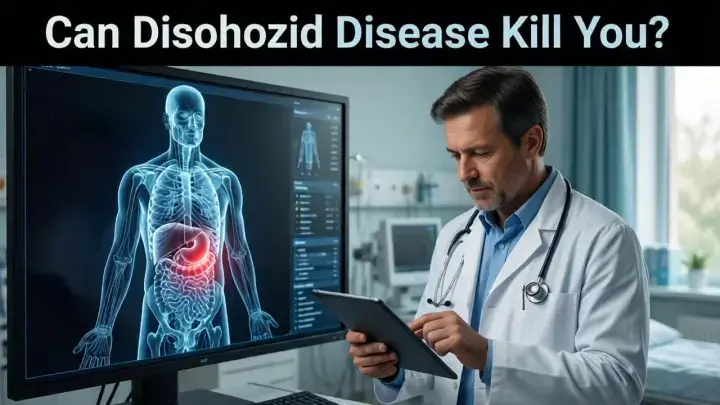
Why Does Ozdikenosis Kill You 2026: Powerful Life Guide
The phrase “why does ozdikenosis kill you” has raised concern and curiosity among many people, especially those who encounter it in medical discussions, forums, or online searches. Ozdikenosis is a rare but serious condition, and understanding why it can be fatal is crucial for awareness, prevention, and timely medical intervention. This article delves into the causes, symptoms, mechanisms, and implications of ozdikenosis, helping readers make sense of its severity and understand how to respond effectively.
Also Read: Aliza Barber: Top 7 Inspiring Achievements in 2026
Understanding Ozdikenosis
Ozdikenosis is a medical condition that is not widely known, even among some healthcare professionals. It primarily affects internal systems of the body, often targeting organs critical to survival. While research is ongoing, the condition is typically associated with abnormal metabolic processes, severe inflammation, or systemic failure that compromises normal body function.
Also Read: Traceloans.com Student Loans: 5 Smart Options for 2026
The rarity of ozdikenosis contributes to the confusion surrounding it. Because it is uncommon, many people do not encounter direct information from traditional healthcare sources. This makes accurate knowledge even more important, as delayed recognition can increase the risk of serious complications.
Why Ozdikenosis Can Be Fatal
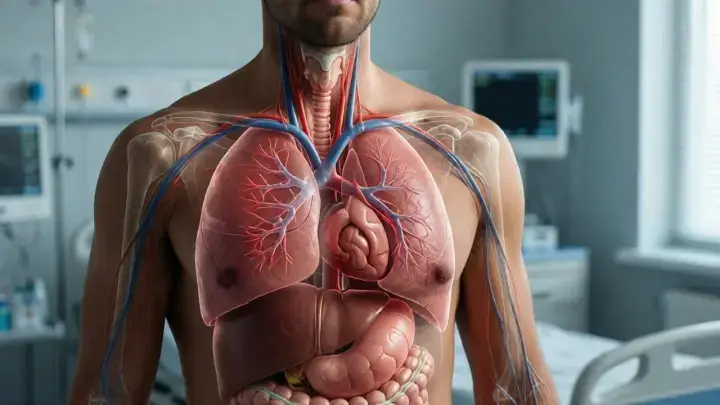
The lethality of ozdikenosis stems from the way it disrupts vital bodily functions. The condition often progresses rapidly, affecting multiple systems simultaneously. One of the primary reasons it can lead to death is its impact on the circulatory and respiratory systems. When these systems fail, oxygen delivery and waste removal in the body are impaired, which can lead to organ failure.
Additionally, ozdikenosis can trigger a cascade of metabolic imbalances. These imbalances disrupt the body’s internal equilibrium, often causing critical organs like the heart, liver, or kidneys to malfunction. If untreated, this systemic failure can result in death within a short period.
Also Read: Sodiceram: 5 Powerful Benefits for 2026
Early Signs and Symptoms
Recognizing the early signs of ozdikenosis can make a significant difference in outcomes. Common initial symptoms include persistent fatigue, irregular heartbeats, unexplained swelling, and severe digestive issues. Individuals may also experience neurological symptoms such as confusion, dizziness, or difficulty concentrating.
Because ozdikenosis affects multiple systems, symptoms can vary widely from person to person. Some may experience primarily gastrointestinal issues, while others show cardiovascular or respiratory symptoms first. This variability can make early diagnosis challenging, emphasizing the importance of awareness and careful monitoring.
Also Read: Schedow: 7 Powerful Productivity Tips for 2026
How Ozdikenosis Progresses
The progression of ozdikenosis is generally marked by an escalation in severity. Early symptoms, if ignored, often evolve into critical conditions. In many cases, the immune system becomes overwhelmed as the body tries to compensate for failing organs. This overcompensation can result in widespread inflammation, further stressing critical organs and accelerating systemic failure.
Advanced stages of ozdikenosis may involve multi-organ dysfunction. This stage is particularly dangerous because it significantly reduces the body’s ability to recover, even with aggressive medical intervention. Understanding this progression helps explain why the condition can be fatal if not addressed promptly.
Also Read: Doodflix Review: Powerful & Trusted Platform 2026
Common Causes and Risk Factors
While the exact cause of ozdikenosis is still under study, several risk factors have been identified. Genetic predisposition appears to play a role, making some individuals more susceptible to developing the condition. Environmental factors, such as exposure to certain toxins or chronic stress, may also contribute to the onset.
Additionally, underlying health conditions like diabetes, heart disease, or autoimmune disorders can increase vulnerability. In many cases, a combination of genetic and environmental factors determines how severely a person may be affected by ozdikenosis.
The Mechanisms Behind Fatal Outcomes
Fatal outcomes in ozdikenosis occur primarily due to the interplay between organ failure, metabolic disruption, and systemic inflammation. When key organs cannot perform their essential functions, the body cannot maintain homeostasis. Critical complications often include:
- Cardiovascular collapse: The heart struggles to maintain blood circulation, leading to insufficient oxygen delivery.
- Respiratory failure: Lungs fail to provide adequate oxygen to the bloodstream, resulting in hypoxia.
- Kidney and liver dysfunction: These organs fail to filter toxins efficiently, causing metabolic imbalance.
- Neurological complications: Brain function can decline rapidly, contributing to disorientation, seizures, or coma.
Each of these mechanisms individually poses serious risk. When combined, they explain why ozdikenosis can quickly become fatal.
Diagnosis and Medical Evaluation
Diagnosing ozdikenosis requires a comprehensive medical evaluation. Because the condition affects multiple systems, physicians often use a combination of blood tests, imaging, and organ function assessments. Early detection is critical, as prompt treatment can prevent the condition from progressing to life-threatening stages.
Healthcare providers typically look for patterns in symptom presentation and correlate them with lab findings. Due to the rarity of ozdikenosis, consultation with specialists is often necessary to confirm a diagnosis and develop an effective treatment plan.
Treatment Approaches
Treatment for ozdikenosis focuses on stabilizing the patient, supporting failing organs, and addressing underlying causes. Medical interventions may include:
- Medication: Drugs to control inflammation, support organ function, or regulate metabolic imbalances.
- Lifestyle adjustments: Dietary changes, stress management, and activity modification can reduce complications.
- Surgical or procedural interventions: In severe cases, procedures may be required to remove damaged tissue or support organ function.
Although treatment can be effective, the success rate heavily depends on early recognition and consistent monitoring.
Preventive Measures
Preventing ozdikenosis is challenging due to its rare and complex nature. However, certain proactive steps may reduce the risk:
- Regular health check-ups: Early detection of underlying conditions can prevent the onset of complications.
- Healthy lifestyle: Balanced diet, regular exercise, and adequate sleep support overall system resilience.
- Avoiding toxins: Minimizing exposure to environmental toxins or chemicals reduces strain on vital organs.
- Genetic counseling: For individuals with family history, understanding predisposition may help in early monitoring.
These measures cannot guarantee prevention but may significantly improve long-term outcomes.
Real-Life Implications
Ozdikenosis is more than a theoretical concern; it affects real individuals and families. The sudden onset and rapid progression of the condition can be emotionally and physically overwhelming. Families often need guidance on emergency response, symptom monitoring, and coordination with healthcare providers.
Raising awareness about ozdikenosis is critical. Public understanding can lead to faster recognition, prompt treatment, and ultimately, better survival rates.
Misconceptions About Ozdikenosis
Because the condition is rare, several misconceptions exist:
- Only elderly individuals are affected: While older adults may be at higher risk, ozdikenosis can impact adults of various ages.
- It always has a genetic cause: Genetics play a role, but environmental and lifestyle factors are also significant.
- Treatment is ineffective: Early and targeted intervention can significantly improve outcomes.
Addressing these misconceptions helps reduce fear and promotes informed decision-making.
Importance of Timely Medical Attention
Delays in seeking medical attention for ozdikenosis can have fatal consequences. Recognizing early warning signs and consulting healthcare professionals promptly is critical. Even if symptoms seem mild, the underlying processes may be advancing quickly, making early intervention life-saving.
Frequently Asked Questions (FAQs)
What is ozdikenosis?
Ozdikenosis is a rare medical condition that disrupts vital bodily functions, often affecting multiple organs and systems.
Why does ozdikenosis kill you?
It can be fatal because it causes systemic failure, metabolic imbalance, and organ dysfunction, which can rapidly overwhelm the body.
Who is at risk of ozdikenosis?
People with genetic predisposition, chronic illnesses, or certain environmental exposures are at higher risk.
Can ozdikenosis be treated?
Yes, with early detection, proper medical intervention, and lifestyle adjustments, the condition can often be managed effectively.
Are there early warning signs?
Yes. Common early symptoms include fatigue, confusion, irregular heartbeats, swelling, and digestive issues.
How fast does ozdikenosis progress?
Progression varies, but in severe cases, it can advance rapidly and become life-threatening within days if untreated.
Can prevention help?
While full prevention is difficult, maintaining overall health, regular check-ups, and reducing risk factors can help lower vulnerability.
Conclusion
The question “why does ozdikenosis kill you” reflects genuine concern about a rare but serious condition. Understanding the mechanisms, symptoms, and treatment options is vital for anyone potentially affected. While the condition can be fatal, early recognition, timely medical attention, and ongoing monitoring can dramatically improve outcomes. Raising awareness, dispelling misconceptions, and encouraging proactive health measures are essential steps in addressing the risks associated with ozdikenosis.
Being informed is the first line of defense. With careful observation, professional guidance, and attention to overall health, individuals can reduce the danger posed by this condition and respond effectively when symptoms appear.
For More Visits: Veganovies
Also Read: Winobit3.4 Software Error 2026: Easy Fix & Powerful Guide