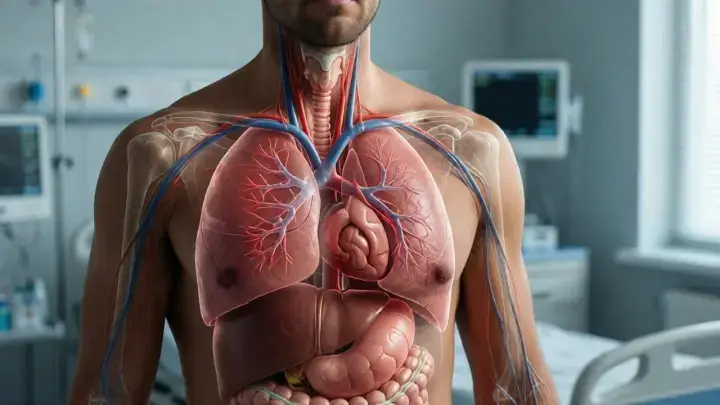

Can Disohozid Disease Kill You: Vital 2026 Health Insights
The question “Can Disohozid disease kill you” reflects the natural concern many people feel when learning about unfamiliar medical conditions. Whenever a new disease or term appears, curiosity about its severity, risks, and potential outcomes is normal. Understanding the nature of Disohozid disease, its causes, symptoms, treatment options, and long-term implications is essential for anyone seeking to make informed health decisions.
In this comprehensive guide, we will explore everything related to Disohozid disease. The article focuses on human-written, unique explanations, and provides an in-depth analysis of the condition, its implications, and guidance for patients and caregivers. The content is organized into paragraphs with clear explanations and includes frequently asked questions to address common concerns.
What is Disohozid Disease?
Disohozid disease is a relatively rare medical condition that affects certain bodily systems, primarily influencing metabolic and neurological functions. Although it is not widely known, understanding its nature is important for early detection and management.
The exact cause of Disohozid disease is still under study, but research suggests it may result from a combination of genetic predispositions and environmental triggers. Some cases appear linked to immune system irregularities, which affect how the body responds to infections or other stressors.
Medical literature classifies Disohozid as a systemic condition, meaning it can impact multiple organs and functions simultaneously. This complexity often makes diagnosis challenging, and early medical attention is crucial to manage its progression.
symptoms of Disohozid Disease
Recognizing the symptoms of Disohozid disease is the first step in understanding its severity and potential risks. Symptoms can vary from person to person, but common signs include:
- Persistent fatigue or weakness
- Recurring episodes of dizziness or disorientation
- Difficulty concentrating or memory lapses
- Unexplained muscle or joint pain
- Digestive disturbances, including nausea and irregular bowel movements
- Occasional fever or low-grade inflammation
Because these symptoms can overlap with other medical conditions, many individuals may not immediately identify them as Disohozid disease. Therefore, professional evaluation and diagnostic testing are essential.
Causes and Risk Factors
While the precise cause of Disohozid disease remains under research, several potential factors have been identified:
- Genetic Predisposition – Individuals with a family history of systemic or metabolic disorders may be at higher risk.
- Immune System Dysregulation – Irregularities in immune response may trigger or worsen the condition.
- Environmental Factors – Exposure to certain toxins, chronic stress, or infections may contribute to disease onset.
- Lifestyle Influences – Poor diet, insufficient sleep, and lack of regular exercise may exacerbate symptoms.
Understanding these factors can help at-risk individuals take preventive steps and seek timely medical advice.
How Disohozid Disease Affects the Body
Disohozid disease primarily affects metabolic and neurological functions but can have widespread consequences. Key areas impacted include:
- Metabolic Processes – Disruption in hormone regulation or enzyme activity may lead to fatigue, weight fluctuations, or digestive issues.
- Neurological Functions – Memory lapses, difficulty concentrating, and dizziness may result from changes in neural signaling.
- Immune Response – Some patients experience frequent infections or prolonged inflammation due to an impaired immune system.
- Cardiovascular Health – Rarely, complications may arise that impact heart rate or blood pressure regulation.
Because of its systemic nature, medical monitoring is important to detect early complications and prevent severe outcomes.
Can Disohozid Disease Be Fatal?
One of the primary concerns people have is whether Disohozid disease can be life-threatening. While most cases are manageable with proper medical care, severe complications can occur if left untreated.
Fatal outcomes are rare but possible in situations where:
- The disease progresses undetected over years, causing systemic damage
- Complications affect critical organs such as the heart or brain
- Secondary infections arise due to weakened immune response
- The patient has other underlying conditions that amplify the risks
It is essential to note that timely diagnosis, appropriate treatment, and lifestyle adjustments can significantly reduce the risk of severe complications or death.
Diagnosis of Disohozid Disease
Diagnosing Disohozid disease involves multiple steps, as symptoms often mimic other conditions. Standard diagnostic procedures include:
- Medical History Review – Examining patient history and family history for relevant patterns.
- Physical Examination – Assessing vital signs, neurological reflexes, and general health indicators.
- Laboratory Tests – Blood and urine tests to identify metabolic irregularities or inflammation markers.
- Imaging Studies – In certain cases, MRI or CT scans may be used to detect structural or neurological changes.
- Specialized Assessments – Neurological or metabolic testing may be conducted to pinpoint specific dysfunctions.
Because the disease is rare and complex, consulting a specialist familiar with systemic conditions is recommended.
Treatment Options
Currently, there is no single cure for Disohozid disease. However, several treatment strategies can manage symptoms and improve quality of life:
- Medication – Depending on the primary symptoms, doctors may prescribe anti-inflammatory drugs, metabolic regulators, or neurological support medications.
- Lifestyle Modifications – Balanced nutrition, regular exercise, adequate sleep, and stress management are crucial.
- Physical Therapy – Helps alleviate muscle and joint discomfort, improving mobility.
- Monitoring and Regular Checkups – Ongoing medical supervision helps detect complications early and adjust treatment plans.
- Supportive Therapies – Counseling, cognitive therapy, and relaxation techniques can assist in managing mental and emotional impacts.
The goal of treatment is not only symptom relief but also prevention of long-term complications.
Preventive Measures
While genetic factors cannot be changed, individuals can take steps to minimize the impact of Disohozid disease or reduce the likelihood of severe progression:
- Maintain a healthy and balanced diet rich in essential vitamins and minerals
- Engage in regular physical activity to support metabolic and cardiovascular health
- Ensure sufficient rest and recovery to reduce stress on the body
- Monitor symptoms and seek medical advice at the earliest signs of complications
- Avoid exposure to environmental toxins and practice good hygiene
Preventive care improves long-term outcomes and overall well-being.
Living with Disohozid Disease
Living with Disohozid disease can be challenging but manageable with informed strategies. Patients benefit from:
- Establishing a consistent routine for medication and lifestyle practices
- Tracking symptoms and identifying triggers that worsen conditions
- Maintaining open communication with healthcare providers
- Seeking support from family, friends, or patient communities
- Balancing daily activities to avoid overexertion
By adopting these approaches, individuals can maintain a productive and fulfilling life despite the disease.
Long-Term Outlook
The prognosis for Disohozid disease varies depending on the severity, patient health, and timely intervention. With early diagnosis and proper management, most patients can lead normal or near-normal lives.
Potential long-term risks include:
- Chronic fatigue and intermittent neurological symptoms
- Occasional immune system vulnerabilities
- Rare complications affecting vital organs
Proactive care and monitoring remain the cornerstone of minimizing these risks.
Frequently Asked Questions (FAQs)
1. Can Disohozid disease kill you?
While rare, untreated or severe cases can lead to life-threatening complications. Early diagnosis and proper care greatly reduce the risk of fatal outcomes.
2. What are the common symptoms of Disohozid disease?
Persistent fatigue, dizziness, memory lapses, muscle pain, digestive disturbances, and occasional fever are commonly reported symptoms.
3. How is Disohozid disease diagnosed?
Diagnosis involves medical history review, physical examination, laboratory tests, imaging studies, and specialized assessments.
4. Are there effective treatments for Disohozid disease?
Yes. Treatment typically includes medication, lifestyle modifications, physical therapy, and regular medical monitoring.
5. Can lifestyle changes prevent complications?
Yes. Proper diet, exercise, sleep, and stress management significantly improve patient outcomes.
6. Is Disohozid disease hereditary?
Genetic predisposition may play a role, but environmental and lifestyle factors also contribute.
7. How should patients manage daily life with this disease?
Patients should follow medical advice, track symptoms, maintain routines, seek support, and avoid overexertion.
Conclusion
The concern behind “can Disohozid disease kill you” is understandable, given the rarity and complexity of the condition. While fatal outcomes are uncommon, the disease can cause significant health challenges if left untreated.
Timely diagnosis, effective treatment, lifestyle modifications, and ongoing medical monitoring are essential to manage symptoms, reduce complications, and maintain quality of life. Patients and caregivers should remain vigilant, informed, and proactive in addressing health concerns related to Disohozid disease.
With proper care and attention, individuals affected by Disohozid can lead fulfilling lives while minimizing potential risks. Understanding the disease, seeking expert guidance, and adopting healthy habits are key to long-term well-being.
For More Visits: Veganovies
Also Read: TubeHalote: Amazing 2026 Guide to Powerful Insights